

Monday, November 10, 2025
Home Blog

All Technical Notes Guide for Building Structure Design

0

Building a safe, durable, and efficient structure starts with a thorough understanding of the principles of building structure design. This comprehensive guide compiles essential technical notes that every architect, civil engineer, and construction professional should know when designing building structures. Whether you are a seasoned professional or a student, these insights will help you create reliable and code-compliant buildings.

Understanding Structural Loads and Forces

A building’s stability depends on how well it can withstand various loads and forces acting upon it. The first step in structural design is to identify these loads accurately:

  • Dead Loads: These are permanent static forces such as the weight of the structural elements themselves, including beams, columns, floors, and roofs.
  • Live Loads: These include movable objects like occupants, furniture, and equipment. Building codes specify typical live load values based on building use.
  • Wind Loads: Wind generates lateral pressure on building facades and roofs. Structural design must incorporate wind forces to prevent sway or failure.
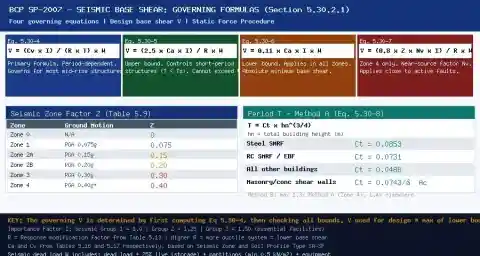
  • Seismic Loads: In earthquake-prone zones, structures need to be designed to resist ground motion forces.
  • Environmental Loads: Snow loads, temperature variations, and soil pressures also affect the design.

Correctly calculating the magnitude and direction of these forces ensures that each structural element is properly designed to resist them without excessive deformation or failure.

Material Specifications and Standards

The backbone of any structure is the material used. Typical materials in building structures include concrete, steel, and masonry:

  • Concrete: Most structural concrete used in buildings is normal-weight concrete with a compressive strength of around 3,500 psi at 28 days. Concrete mixes must adhere to relevant ASTM standards to ensure quality.
  • Steel Reinforcement: Reinforcing bars (rebars) provide tensile strength to concrete elements. Their size, spacing, and placement must comply with design codes to handle bending and shear forces.
  • Masonry: Concrete masonry units (CMUs) used in walls must meet ASTM C90 standards for load-bearing capability. Mortar and grout should conform to ASTM requirements for strength and durability.

Employing materials that meet or exceed these standards guarantees structural durability and safety.

Structural Elements Design and Detailing

The design of structural elements involves careful sizing and detailing to handle applied loads:

  • Beams and Columns: These primary load-carrying members must be designed for bending moments, axial forces, and shear forces according to relevant design codes. Columns often carry significant axial loads that must be analyzed to avoid buckling.
  • Reinforcement Detailing: Proper placement of rebars, bond beams, and horizontal reinforcements is essential to enhance structural integrity. Reinforcements help distribute loads, resist cracking, and improve ductility.
  • Bond Beams and Grout Lifts: In masonry construction, horizontal reinforcement bars embedded in bond beams and grout lifts provide continuous strength to resist lateral and vertical loads.

Clear structural drawings showing reinforcement placement and dimensions facilitate accurate construction and quality control.

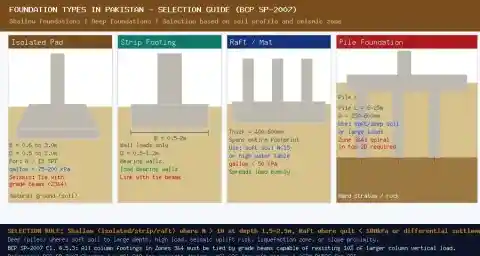
Soil and Foundation Considerations

A well-designed foundation transfers structural loads to the soil safely:

  • Soil Bearing Capacity: Site-specific soil investigation must determine the soil’s ability to support the building load without excessive settlement.
  • Foundation Backfill: Backfill materials must be well-drained and compacted to prevent ground movement beneath foundations.
  • Utility Placement: Utilities crossing beneath footings or foundations should be avoided or carefully planned to maintain foundation integrity.

Designing foundations in harmony with soil characteristics helps establish long-term stability.

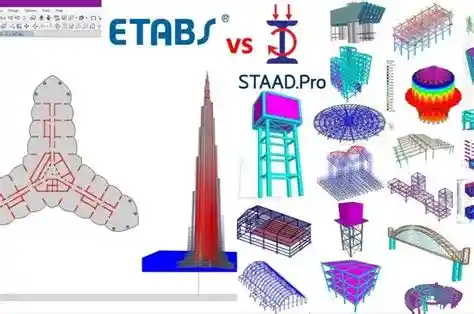
Structural Analysis and Modeling

Modern structural design combines classical calculations with software modeling:

  • Engineers analyze internal forces such as shear, bending, and torsion moments at critical locations.
  • Structural models also calculate deflections, stresses, strains, and natural frequencies.
  • The design must consider the effects of thermal expansion, shrinkage, and creep over time.

Sophisticated computational models combined with code-based manual checks produce efficient and safe designs.

Compliance with Codes and Regulations

Every design must meet local building codes and international standards:

  • Load Requirements: Standards like ASCE 7 provide minimum load criteria for wind, seismic, and other forces.
  • Material Standards: ASTM and equivalent codes specify quality requirements for construction materials.
  • Design Codes: Structural elements must be sized and detailed per standards such as ACI 318 for concrete or AISC for steel.

Meticulous adherence to these codes ensures legal compliance and structural safety.

Building a safe, durable, and efficient structure starts with a thorough understanding of the principles of building structure design. This comprehensive guide compiles essential technical notes that every architect, civil engineer, and construction professional should know when designing building structures. Whether you are a seasoned professional or a student, these insights will help you create reliable and code-compliant buildings.

Understanding Structural Loads and Forces

A building’s stability depends on how well it can withstand various loads and forces acting upon it. The first step in structural design is to identify these loads accurately:

  • Dead Loads: These are permanent static forces such as the weight of the structural elements themselves including beams, columns, floors, and roofs.
  • Live Loads: These include movable objects like occupants, furniture, and equipment. Building codes specify typical live load values based on building use.
  • Wind Loads: Wind generates lateral pressure on building facades and roofs. Structural design must incorporate wind forces to prevent sway or failure.
  • Seismic Loads: In earthquake-prone zones, structures need to be designed to resist ground motion forces.
  • Environmental Loads: Snow loads, temperature variations, and soil pressures also affect the design.

Correctly calculating the magnitude and direction of these forces ensures that each structural element is properly designed to resist them without excessive deformation or failure.

Material Specifications and Standards

The backbone of any structure is the material used. Typical materials in building structures include concrete, steel, and masonry:

  • Concrete: Most structural concrete used in buildings is normal weight concrete with a compressive strength of around 3,500 psi at 28 days. Concrete mixes must adhere to relevant ASTM standards to ensure quality.
  • Steel Reinforcement: Reinforcing bars (rebars) provide tensile strength to concrete elements. Their size, spacing, and placement must comply with design codes to handle bending and shear forces.
  • Masonry: Concrete masonry units (CMUs) used in walls must meet ASTM C90 standards for load-bearing capability. Mortar and grout should conform to ASTM requirements for strength and durability.

Employing materials that meet or exceed these standards guarantees structural durability and safety.

Structural Elements Design and Detailing

The design of structural elements involves careful sizing and detailing to handle applied loads:

  • Beams and Columns: These primary load-carrying members must be designed for bending moments, axial forces, and shear forces according to relevant design codes. Columns often carry significant axial loads that must be analyzed to avoid buckling.
  • Reinforcement Detailing: Proper placement of rebars, bond beams, and horizontal reinforcements is essential to enhance structural integrity. Reinforcements help distribute loads, resist cracking, and improve ductility.
  • Bond Beams and Grout Lifts: In masonry construction, horizontal reinforcement bars embedded in bond beams and grout lifts provide continuous strength to resist lateral and vertical loads.

Clear structural drawings showing reinforcement placement and dimensions facilitate accurate construction and quality control.

Soil and Foundation Considerations

A well-designed foundation transfers structural loads to the soil safely:

  • Soil Bearing Capacity: Site-specific soil investigation must determine the soil’s ability to support the building load without excessive settlement.
  • Foundation Backfill: Backfill materials must be well-drained and compacted to prevent ground movement beneath foundations.
  • Utility Placement: Utilities crossing beneath footings or foundations should be avoided or carefully planned to maintain foundation integrity.

Designing foundations in harmony with soil characteristics helps establish long-term stability.

Structural Analysis and Modeling

Modern structural design combines classical calculations with software modeling:

  • Engineers analyze internal forces such as shear, bending, and torsion moments at critical locations.
  • Structural models also calculate deflections, stresses, strains, and natural frequencies.
  • The design must consider effects of thermal expansion, shrinkage, and creep over time.

Sophisticated computational models combined with code-based manual checks produce efficient and safe designs.

Compliance with Codes and Regulations

Every design must meet local building codes and international standards:

  • Load Requirements: Standards like ASCE 7 provide minimum load criteria for wind, seismic, and other forces.
  • Material Standards: ASTM and equivalent codes specify quality requirements for construction materials.
  • Design Codes: Structural elements must be sized and detailed per standards such as ACI 318 for concrete or AISC for steel.

Meticulous adherence to these codes ensures legal compliance and structural safety.

List of Important Technical Notes

Transmission Tower Modeling
By: George T. Watson PE
https://drive.google.com/file/d/1I8kfZFoEXnMNsthx-zR5zISr8s6l5cyj/view?usp=drive_link
Steel Technical Topicshttps://drive.google.com/file/d/10iCaDI7SRJz4RptNZTv6IwVm8ihplj0g/view?usp=drive_link
59Tips & More
compiled By Geoff Weisenberger
design economy
for economical design
https://drive.google.com/file/d/1BB02v0pzuHntncTOcRx8cX3Y9ENDZ-gp/view?usp=drive_link

Updated on 28/10/2025

New excel sheets related to steel structure design will be added soon!

All Steel Design Excel Sheets for steel Structure Design

0

This article is an extensive set of Excel sheets designed specifically for various aspects of structural steel design.

For a user who wants to do advanced calculations and design safe, efficient steel structures, all the necessary Excel tools are available at this website for various design elements such as beams, columns, connections, and steel section properties.

Overview of the Steel Design Excel Sheets

Structural steel design entails analyzing and designing parts such as beams, columns and connections as required by standards, such as Eurocode, AISC, BS EN, and BS 5950. Excel sheets automate these calculations, save time, and reduce the risks of errors.

Kinds of Steel Design Excel Worksheet in the Market

The following are important structural steel design Excel sheets every structural engineer/designer should have.

Steel Beam Design Sheets

This includes the design of beams under bending, shear and buckling according to the Eurocode and AISC standards for all normal steel sections (US and European).

Steel Column Design Sheets

For standards conformity, different sheets are devoted to column design with axial compression, tension, and biaxial bending.

Steel Connection Design Sheets Design

This article covers all the standard steel frame connections, including end plate, fin plate, splice welded, moment and base plate designs according to BS EN 1993-1-8.

Cold-Formed Steel Design Sheets Guide

The tools for designing Z purlins, C purlins, channels or angle sections can be used according to Eurocode or BS.

Steel Section Properties Tables

Steel tools databases with the knowledge of thousands of standard steel sections used worldwide (US, European, Indian), with all geometric and design properties quickly selected and input to design sheets.

Advantages of Using These Excel Sheets

List of Excel Sheets

Active & Passive Force with Earthquake_Good_Mahfuzhttps://docs.google.com/spreadsheets/d/1h_t1gg09m0QzomBTiZpnsdx-yOeGp9hh/edit?usp=sharing&ouid=117026315595257427957&rtpof=true&sd=true
AISC 13.0 Properties Viewerhttps://docs.google.com/spreadsheets/d/1NYAZOOQ78ZUyzRSyq7QVRiw-1TFRN1X2/edit?usp=sharing&ouid=117026315595257427957&rtpof=true&sd=true
AISC Properties Viewerhttps://docs.google.com/spreadsheets/d/1hU3qXHHZaOMen3CCtMAQNHVFkJpE9oGu/edit?usp=sharing&ouid=117026315595257427957&rtpof=true&sd=true
AISCProphttps://docs.google.com/spreadsheets/d/18KMNA_Sgjdxh_srlx2sBFVl8l9vl-OGy/edit?usp=sharing&ouid=117026315595257427957&rtpof=true&sd=true
AISCProp13.0https://docs.google.com/spreadsheets/d/1XQ_H6ykw0aCDm_mA6Urqrs9wRNKZvbAy/edit?usp=sharing&ouid=117026315595257427957&rtpof=true&sd=true
Base Plate ASDhttps://docs.google.com/spreadsheets/d/1-Rb3X5VIt7fTT_URX_KBLYotPi7DEv5a/edit?usp=sharing&ouid=117026315595257427957&rtpof=true&sd=true
Base Plate Lrfdhttps://docs.google.com/spreadsheets/d/1WJCzFDvy5JyDwOoQqUv5qLX0zcbwIx1o/edit?usp=sharing&ouid=117026315595257427957&rtpof=true&sd=true
“BASEPLT9” — STEEL COLUMN BASE PLATE ANALYSIShttps://docs.google.com/spreadsheets/d/1Rfo1dAY0qfuPKYCEXaOODEJgI5pUG1jE/edit?usp=sharing&ouid=117026315595257427957&rtpof=true&sd=true
“BEAMANAL” — SINGLE-SPAN and CONTINUOUS-SPAN BEAM ANALYSIShttps://docs.google.com/spreadsheets/d/1zgV9HMzZjChmoiTqTPN_1Kzk2YUAZdjZ/edit?usp=sharing&ouid=117026315595257427957&rtpof=true&sd=true
BEAMCOL9″ — STEEL BEAM AND COLUMN ANALYSIS / CODE CHECKhttps://docs.google.com/spreadsheets/d/1V4AnauuhYflDWtJDSELyarIm3sQcbsvu/edit?usp=sharing&ouid=117026315595257427957&rtpof=true&sd=true
“BEAMTAB” — BEAM END CONNECTION USING BEAM TAB (SINGLE PLATE)https://docs.google.com/spreadsheets/d/1F0WOrkT7QZerebklexffebV572hNgNDE/edit?usp=sharing&ouid=117026315595257427957&rtpof=true&sd=true
“BMREACT” — ALLOWABLE STEEL BEAM END REACTIONhttps://docs.google.com/spreadsheets/d/1fx6rwVCikLTxvHevpRxlDOoDHDNa81Hb/edit?usp=sharing&ouid=117026315595257427957&rtpof=true&sd=true
“BMREINF9” — STEEL MEMBER REINFORCEMENT ANALYSIShttps://docs.google.com/spreadsheets/d/1fR47QfnbMoUNP3wnDKsljo9eo1nV3IK1/edit?usp=sharing&ouid=117026315595257427957&rtpof=true&sd=true
“BOEF” — BEAM ON ELASTIC FOUNDATION ANALYSIShttps://docs.google.com/spreadsheets/d/1dIUFaG5lELjYJZoH6pcm90H6czTmTdNE/edit?usp=sharing&ouid=117026315595257427957&rtpof=true&sd=true
“JOIST” — STEEL JOIST ANALYSIShttps://docs.google.com/spreadsheets/d/1Ler127mbLckBMY874zH7aFW2pmbbV0W8/edit?usp=sharing&ouid=117026315595257427957&rtpof=true&sd=true
“BOLTGRP” — BOLT GROUP and BOLT STRESS ANALYSIS PROGRAMhttps://docs.google.com/spreadsheets/d/1o6n15V1tcMEfKndZrRihL8K6ytaUu3C7/edit?usp=sharing&ouid=117026315595257427957&rtpof=true&sd=true
DESIGN OF PURLINS REVISED-2005https://docs.google.com/spreadsheets/d/16hLIxdU-EU5Cxgp6UlD-tRa2UYegWS8v/edit?usp=sharing&ouid=117026315595257427957&rtpof=true&sd=true
“MOVLOADS” — MOVING WHEEL LOADS ANALYSIShttps://docs.google.com/spreadsheets/d/18DTImfZ3WDibIUsPb261exzSM3D_iDOk/edit?usp=sharing&ouid=117026315595257427957&rtpof=true&sd=true
GENERAL TRIANGLE SOLUTIONShttps://docs.google.com/spreadsheets/d/1BPXKcy8KiG3sAguH6if8SOTKzX3dt25I/edit?usp=sharing&ouid=117026315595257427957&rtpof=true&sd=true
“BRGPLT9” — BEAM BEARING PLATE DESIGNhttps://docs.google.com/spreadsheets/d/1Jxj6htpWwJE76rCJ6BiFDLlkzd0onQat/edit?usp=sharing&ouid=117026315595257427957&rtpof=true&sd=true
Design of Lifting Lugshttps://docs.google.com/spreadsheets/d/1dci18_qw88twaNYBrOTD13Wa_dxSNuVw/edit?usp=sharing&ouid=117026315595257427957&rtpof=true&sd=true
TRAINING ROI WORKSHEEThttps://docs.google.com/spreadsheets/d/15NQx9fR6kFcs-AVLVio-Lq41zvEnAZmh/edit?usp=sharing&ouid=117026315595257427957&rtpof=true&sd=true
“MONORAIL” — MONORAIL BEAM ANALYSIShttps://docs.google.com/spreadsheets/d/1DCaw_NKXcSocZ-gWqLf8jsP83kdsT7JK/edit?usp=sharing&ouid=117026315595257427957&rtpof=true&sd=true
LRFD Beam Design 2005https://docs.google.com/spreadsheets/d/14IM4FYLrnodf6mwqQcGof1Ng2a0L4mVY/edit?usp=sharing&ouid=117026315595257427957&rtpof=true&sd=true

Updated on: 25-10-2025

Essential Excel Sheets for Stair Design

0

Stair design is a critical and often complex part of structural engineering and architecture. It blends architectural vision with structural integrity, code compliance, and ergonomics. While specialized software exists, Microsoft Excel remains an indispensable tool for quick calculations, preliminary design, verification, and creating organized, reusable checklists.

A complete stair design project typically relies on a suite of interconnected Excel sheets. Here is a breakdown of the most crucial ones.

The Stair Geometry and Proportion Calculator

This is the foundational sheet where the basic layout is determined. It ensures the stair is comfortable and safe to use by adhering to ergonomic rules and building codes.

  • Floor to Floor Height is total vertical rise.
  • Desired/Restricted Stairwell Length is the available horizontal space.
  • Building Code Requirements is the Minimum/Maximum values for riser height and tread depth (e.g., as per International Building Code, OSHA, or local standards).

Calculations & Outputs:

  • Number of Risers: =ROUND(Floor Height / Assumed Riser, 0) followed by iterative adjustment.
  • Actual Riser Height: =Floor Height / Number of Risers
  • Number of Treads: = Number of Risers - 1
  • Tread Depth (Going): Calculated based on available horizontal space or using rules of thumb like Blondel’s Formula.
  • Blondel’s Formula Check: (2 * Riser) + Tread. The result should fall within a comfortable range (typically 600mm to 630mm).
  • Total Stair Run: = Number of Treads * Tread Depth

Purpose is to quickly iterate between different riser/tread combinations to find the most optimal and code-compliant layout before proceeding to structural design.

Structural Design of Stair Slab (Waist Slab) Calculator

This sheet performs the structural calculations to determine the required reinforcement for the stair slab, which can be designed as a simply supported or continuous “waist slab.

  • Material Properties: Concrete Grade (e.g., f’c), Steel Yield Strength (fy).
  • Loads: Finishes (kN/m²), Imposed Live Load (kN/m² as per code), Parapet/Wall load.
  • Geometric Data: Effective span of the stair, thickness of the waist slab, riser & tread dimensions.

Calculations

  • Load Calculation:
    • Self-weight of waist slab (based on its thickness and slope).
    • Self-weight of steps = (Riser Height / 2) * Concrete Density.
    • Total Dead Load (DL) and Live Load (LL).
    • Factored Design Load Wu = 1.4*DL + 1.6*LL (factors may vary by code).
  • Bending Moment (M): = (Wu * Span²) / 8 for simply supported.
  • Main Reinforcement:
  • Shear Check: Ensures the concrete slab can resist the maximum shear force without requiring shear reinforcement (in most common cases).

Purpose is to size the structural concrete element and determine the main tensile reinforcement.

Stair Reinforcement Detailing & Bar Bending Schedule (BBS)

This sheet translates the calculated reinforcement areas into practical, executable details for the site. It is often linked directly to the Structural Design Calculator.

  • Required area of steel from the Design Calculator.
  • Standard bar diameters (e.g., 10mm, 12mm, 16mm).
  • Geometry of the stair (lengths, angles).

Calculations

  • Bar Selection & Spacing: Determines the number and spacing of bars.
  • Cutting Lengths:
    • Main Bars: Calculates the total length along the slope, including development lengths at supports.
    • Distribution Bars: Calculates lengths for the transverse reinforcement.
    • Additional Bars in Landings: Specific lengths for landing areas.
  • Bar Bending Schedule (BBS) Table:
    • Bar Mark | Description | Diameter | Number of Bars | Cutting Length | Total Weight
    • Total weight of steel required for the flight.

Purpose is to generate a clear, concise schedule that the steel fixers can use to cut, bend, and place the reinforcement, minimizing waste and errors.

Stair Load on Supporting Beams Calculator

This sheet calculates the reactions from the stair to ensure the supporting beams or walls are designed adequately.

Calculations

  • Reaction at Supports: = (Wu * Span) / 2 for a simply supported case.
  • Load per Meter: The reaction is presented as a line load (kN/m) that acts on the supporting beam.

List of All excel sheets of Stair Deisgn

STAIR.XLShttps://docs.google.com/spreadsheets/d/16XchYzaVfBDOQ-cGmh3Zb9TkhBH3epq2/edit?usp=sharing&ouid=117026315595257427957&rtpof=true&sd=true

3D Steel Structure Modeling in Revit

0

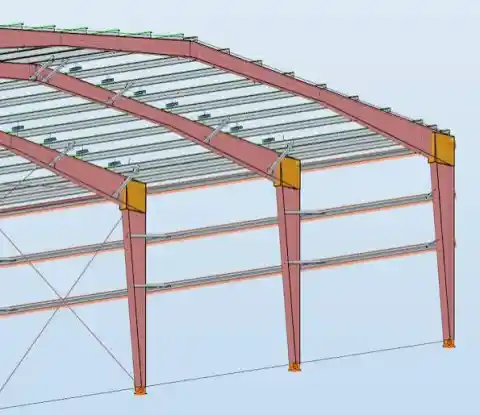
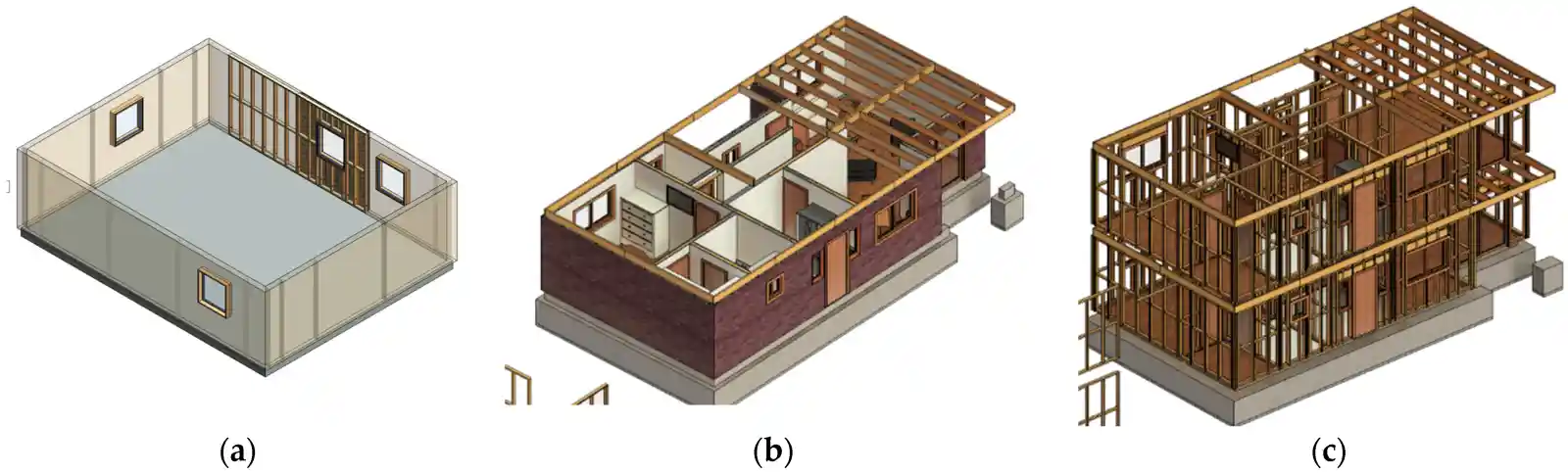
The client’s requirement was to make a 3D model of a steel structure. These are images of a model.

These are files of this model.

https://drive.google.com/drive/folders/1v0OXIGqc8_Ep5wx64e5adlWXypBvAqJ_?usp=sharing

Steel Structure Warehouse

steel structure warehouse

I had made a steel structure warehouse for a USA client who approached me on Fiverr. It is made of steel, including composite columns having HSS columns filled with concrete of 3000psi.

Here are the Google Drive files of this model

https://drive.google.com/drive/folders/1kPpbTnpbJR9E7kOvcccAJbcjh8wMpfTH?usp=sharing

https://drive.google.com/file/d/1uFpTwlaCZfNxGUuGhOWyxVHWIc_3kAVm/view?usp=sharing

Download Excel Sheets: All Excel Sheets of Column Design

0

Creating a well-designed Excel sheet can significantly improve your productivity by organizing data efficiently and allowing easy analysis. Whether you are managing finances, tracking projects, or creating reports, having a clear and customizable column design makes your spreadsheets more effective.

When designing columns in Excel, consider the following tips:

  • Use meaningful column headers that clearly describe the data.
  • Keep the column width consistent for a clean look.
  • Apply filters for easier data sorting and searching.
  • Use color coding or conditional formatting to highlight important data.
  • Freeze header rows to keep them visible while scrolling.

These small design choices can enhance readability and make data management easier, especially when handling large datasets.

Download Excel Sheets: All Excel Sheets of Column Design and More

To help you get started, we have compiled downloadable Excel templates that showcase various column designs and useful features for your spreadsheets. These files include examples of budget tracking, project management, inventory lists, and more — all organized with practical column formatting to boost efficiency. Download the Excel sheets and customize them to fit your specific needs!

New Excel sheets will be added soon!

All Excel Sheets for Beam Design and Structural Calculations (Free Download)

0

Excel sheets are one of the most powerful tools for structural engineers. Whether you are a student learning the basics of design or a practising engineer handling real projects, well-prepared Excel sheets can save valuable time and reduce the chances of error.

In this article, you’ll find a comprehensive collection of Excel sheets for beam design and other structural elements, prepared in accordance with standard codes such as ACI, AASHTO, and Eurocode. These resources are suitable for both academic learning and professional practice.

Download Excel Sheets of beam and column

Here are the available Excel sheets for free download. Simply click on the links to get your copy:

All Excel sheets of the Egyptian Code

Crack_Section_Check_Egyptian Code.xlshttps://docs.google.com/spreadsheets/d/19PVS8Txb6FiiUrW35eHIP7KXCWg6nRqU/edit?usp=sharing&ouid=117026315595257427957&rtpof=true&sd=true
Deflection_Egyptian Code.xlshttps://docs.google.com/spreadsheets/d/1TezVkEJ9p2asi8JN1vhCSuCcYF0gVe-s/edit?usp=sharing&ouid=117026315595257427957&rtpof=true&sd=true
Sec-des final 26-8-2003_Egyptian Code.xlshttps://docs.google.com/spreadsheets/d/1SOyweV31ja-8JEmAp9GH2sCABlZ0ena1/edit?usp=sharing&ouid=117026315595257427957&rtpof=true&sd=true

All these Excel sheets are prepared with clarity and accuracy in mind. They are not a replacement for engineering judgment, but they serve as a reliable companion for design checks, assignments, and professional calculations. With these tools, engineers can focus more on innovation and less on repetitive computations.

AASHTO Pile Capacity Excel Sheet

0

When it comes to designing deep foundations, one of the most important tasks is determining the load-carrying capacity of piles. The American Association of State Highway and Transportation Officials (AASHTO) provides comprehensive guidelines for evaluating pile capacity, ensuring that structures such as bridges, flyovers, and high-rise buildings rest on safe and reliable foundations.

What Is Pile Capacity?

Pile capacity is essentially the maximum load a pile can safely transfer to the soil or rock beneath it. According to AASHTO, the total pile resistance is a combination of two components:

  • Shaft resistance (skin friction) – the frictional force developed along the sides of the pile.
  • End bearing resistance – the support provided by the soil or rock directly beneath the pile tip.

Mathematically, this can be expressed as: Qult=Qs+QbQ_{ult} = Q_s + Q_b

where QsQ_s is shaft resistance and QbQ_b is end bearing resistance.

Allowable vs. Ultimate Capacity

While the ultimate capacity tells us the maximum strength of the pile, engineers must apply a factor of safety (FS) to account for uncertainties in soil conditions, construction methods, and load variations. AASHTO typically recommends factors of safety ranging from 2.0 to 3.0.

The allowable capacity is then calculated as: Qall=QultFSQ_{all} = \dfrac{Q_{ult}}{FS}

AASHTO recognizes several methods to estimate pile capacity, each suitable for different site conditions and project needs:

  1. Static analysis – Based on soil parameters obtained from SPT, CPT, or lab testing.
  2. Dynamic formulas – Such as ENR or Gates equation, mainly for driven piles.
  3. Wave equation analysis (WEAP) – Used to evaluate pile driving performance.
  4. Pile load testing – The most reliable method, directly measuring load–settlement response.

Resistance Factors in LRFD

With the adoption of Load and Resistance Factor Design (LRFD), AASHTO incorporates resistance factors (φ) that account for the reliability of each method. For example, pile load testing may have a φ value around 0.75, while static analysis may use a lower value, reflecting greater uncertainty.

Why It Matters

Accurate pile capacity evaluation is critical for both safety and economy. Overestimating capacity can lead to foundation failures, while underestimating it can unnecessarily increase costs. Following AASHTO’s systematic approach helps engineers strike the right balance between reliability and efficiency.

Final Thoughts

AASHTO’s guidelines for pile capacity are not just theoretical rules—they are practical tools for ensuring that structures remain stable over their service life. By combining field data, analytical methods, and testing, engineers can design foundations that stand the test of time.