Best Way to Remove Rust from Concrete: Complete Guide

Must read

Steel Structure Warehouse

3D House Modeling on Revit

2D Plans of Commercial Area

Civil Engineering Materials
Civil Engineering Materialshttps://civilmat.com
I’m Haseeb, a civil engineer and silver medalist graduate from BZU with a focus on structural engineering. Passionate about designing safe, efficient, and sustainable structures, I share insights, research, and practical knowledge to help engineers and students strengthen their technical foundation and professional growth.
rust stains on concrete surface before removal treatment
Rust stains on concrete — a common problem in reinforced structures and driveways

Rust stains on concrete surfaces are one of the most stubborn and unsightly problems faced by homeowners, contractors, and structural engineers alike. Whether it’s caused by embedded rebar corroding beneath the surface, metal furniture left on a driveway, or fertilizer runoff, those reddish-brown stains can make even the best concrete look neglected. The good news? With the right method and products, removing rust from concrete is entirely possible — and this comprehensive guide will show you exactly how.

What Causes Rust Stains on Concrete?

Before treating rust stains, it helps to understand what causes them. Rust (iron oxide) forms when iron or steel comes into contact with oxygen and moisture. On concrete, the most common sources include:

  • Corroding reinforcement steel (rebar): In reinforced concrete structures, rebar corrosion is a major structural concern. As rebar oxidizes, it expands and causes surface staining, cracking, and spalling.
  • Metal furniture and fixtures: Patio chairs, grills, planters, and outdoor tools left on concrete driveways or patios leave rust rings over time.
  • Fertilizers: Many lawn fertilizers contain high amounts of iron. When washed onto concrete, they leave stubborn orange stains.
  • Water with high iron content: Irrigation systems using iron-rich well water can stain concrete paths and driveways repeatedly.
  • Nails, bolts, and metal debris: Small metal objects left on concrete corrode rapidly and leave pinpoint rust spots.
  • Steel formwork or scaffolding: Construction sites often see rust bleed from steel formwork onto freshly placed concrete.

Types of Rust Stains: Surface vs. Deep

Not all rust stains are the same. The treatment approach depends on how deep the stain has penetrated the concrete:

Stain TypeCharacteristicsPenetration DepthTreatment Difficulty
Fresh/Surface StainLight orange tint, recent1–2 mmEasy
Moderate StainDark orange, weeks old3–5 mmModerate
Deep/Old StainDark brown, months/years old5–10 mmDifficult
Structural Rust (Rebar)Cracking, spalling, rust bleeding10–50+ mmRequires repair
Classification of rust stain types on concrete surfaces

Safety Precautions Before You Start

Many rust removal products — especially acid-based ones — are chemically aggressive. Always take these precautions before starting:

  • 🧤 Wear chemical-resistant gloves (nitrile or rubber)
  • 🥽 Use safety goggles to protect eyes from splashes
  • 😷 Wear an N95 or chemical respirator when working in enclosed or poorly ventilated areas
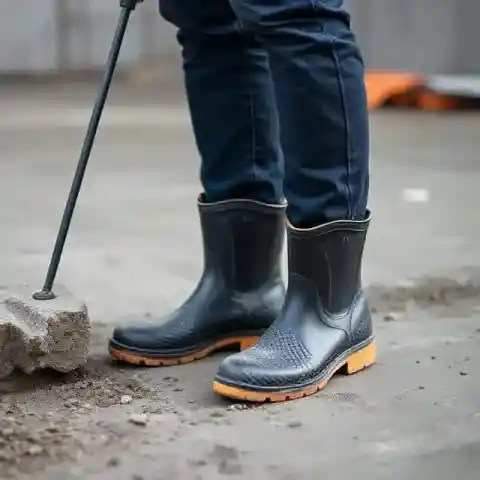
  • 👟 Wear closed-toe shoes — preferably rubber-soled boots
  • 🚫 Keep children and pets away from the treatment area
  • 💧 Have a water source nearby to dilute and rinse immediately if skin contact occurs
  • 🌬️ Ensure good ventilation, especially indoors (garages, basements)
  • 📋 Read product SDS (Safety Data Sheet) before using any commercial remover

Best Methods to Remove Rust from Concrete

There are several proven approaches — from household remedies to professional-grade chemical treatments. Here’s a complete breakdown of each method, its effectiveness, cost, and best use case.

comparison of different rust removal methods for concrete surfaces
Effectiveness comparison of common rust removal methods for concrete

Method 1: White Vinegar (DIY – Mild Stains)

White vinegar contains acetic acid (around 5%), which reacts with iron oxide and helps dissolve light rust stains. It’s safe, inexpensive, and widely available.

  • Materials needed: White vinegar, stiff-bristle brush, water
  • Steps: Pour undiluted white vinegar directly onto the stain → Let it soak for 10–20 minutes → Scrub vigorously with a stiff brush → Rinse thoroughly with clean water → Repeat if needed
  • Best for: Light, fresh surface stains
  • Effectiveness rating: ⭐⭐⭐ (3/5)
  • Cost: Very low (~$1–2)
  • Tip: Combine with baking soda for a fizzing reaction that helps lift the stain from textured concrete

Method 2: Lemon Juice + Salt Paste (DIY – Mild to Moderate)

Lemon juice (citric acid) combined with salt creates a mild abrasive acid paste effective on moderate rust stains without harming the concrete surface.

  • Materials needed: Fresh lemon juice or citric acid powder, table salt, brush
  • Steps: Mix lemon juice and salt to form a thick paste → Apply generously on the stain → Leave for 15–30 minutes → Scrub with a stiff brush in circular motions → Rinse well with water
  • Best for: Small to medium stains on horizontal surfaces
  • Effectiveness rating: ⭐⭐⭐ (3/5)
  • Cost: Low (~$2–4)
  • Tip: Leave longer (up to 1 hour) on older stains for better penetration

Method 3: Oxalic Acid Solution (Semi-Professional – Moderate to Deep Stains)

Oxalic acid is one of the most effective chemical treatments for rust on concrete. It forms water-soluble complexes with iron ions, effectively removing the stain. Many commercial rust removers list oxalic acid as their active ingredient.

  • Materials needed: Oxalic acid powder (or deck cleaner containing oxalic acid), warm water, protective gear, stiff brush or pressure washer
  • Steps: Mix oxalic acid with warm water (typically 1 part acid to 10 parts water — follow product instructions) → Pre-wet the concrete surface → Apply solution and let dwell for 15–30 minutes → Scrub with a stiff brush → Rinse thoroughly — multiple rinses required to remove all acid residue → Neutralize with a dilute baking soda solution (1 tbsp per liter of water)
  • Best for: Moderate to deep stains, large surface areas
  • Effectiveness rating: ⭐⭐⭐⭐ (4/5)
  • Cost: Low to moderate (~$10–25 per treatment)
  • Warning: Oxalic acid is toxic — never mix with bleach, always neutralize after use, and dispose of waste water responsibly

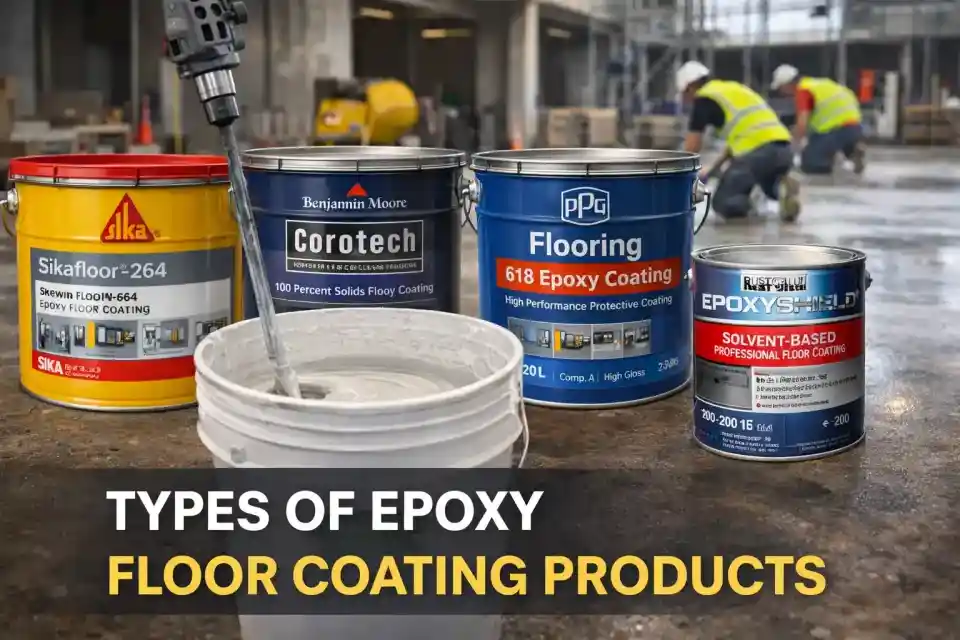
Method 4: Commercial Rust Removers (Recommended for Deep Stains)

Purpose-formulated concrete rust removers are the most reliable solution for stubborn stains. They typically contain phosphoric acid, hydrofluoric acid, or chelating agents (like EDTA) that chemically bind to rust and lift it from the concrete matrix.

Product TypeActive IngredientDwell TimeBest ForApproximate Cost
Rust-Off / Iron OutSodium hydrosulfite5–10 minDriveways, walkways$15–30
F9 BARCHydrofluoric acid derivative10–30 minHeavy industrial stains$50–80
Phosphoric Acid GelPhosphoric acid15–45 minVertical surfaces, walls$20–40
CLR ProLactic + gluconic acid blend2–5 minLight to moderate stains$10–20
Evapo-RustChelating agent (EDTA)30 min–overnightSoaking, eco-friendly use$20–35
Comparison of popular commercial rust removers for concrete
  • Steps (general): Read the product label carefully → Pre-wet the concrete surface with water → Apply the product per instructions → Allow to dwell (do not let dry) → Agitate with a stiff brush → Rinse thoroughly with water → Neutralize and re-rinse if required by product
  • Best for: Deep, set-in stains; large areas; repeat staining problems
  • Effectiveness rating: ⭐⭐⭐⭐⭐ (5/5)
  • Tip: Always test on a small, inconspicuous area first to check for surface discoloration

Method 5: Pressure Washing (Mechanical Method)

High-pressure washing (2,000–3,500 PSI) can physically remove loosened rust particles and treatment residues. It works best in combination with chemical methods, not as a standalone solution.

  • Recommended PSI: 2,000–3,000 PSI for standard concrete; 1,500 PSI for stamped or decorative concrete
  • Nozzle type: 25° fan nozzle for general cleaning; 15° for stubborn spots
  • Steps: Apply chemical rust remover first → Allow adequate dwell time → Pressure wash to flush out the dissolved rust and residues → Maintain consistent 30–45 cm distance from surface
  • Best for: Flushing chemicals and rinsing; post-treatment cleanup
  • Effectiveness rating (standalone): ⭐⭐ (2/5) — better as part of a combined approach
  • Caution: Avoid using pressure washers on aged, cracked, or spalled concrete — may cause further surface damage
See also  Best Concrete Anchors to Hold Railings: Make It Stable, Secure and Attractive

Method 6: Sandblasting / Abrasive Blasting (Professional Use)

Abrasive blasting physically strips the rust-stained surface layer. It’s effective for large areas and structural surfaces but requires professional equipment and protective setup.

  • Types: Dry sandblasting, wet sandblasting (dustless), soda blasting, shot blasting
  • Best for: Industrial floors, bridge decks, parking structures, severely stained areas
  • Effectiveness rating: ⭐⭐⭐⭐⭐ (5/5 for surface removal)
  • Cost: High — typically $3–$8 per sq ft depending on surface and severity
  • Drawbacks: Removes a thin layer of concrete surface; requires dust control and PPE; not suitable for decorative finishes
  • As a structural engineer’s note: Shot blasting is preferred for bridge decks and parking garages prior to applying protective coatings

Step-by-Step: Complete Rust Removal Process for Driveways

Here is a comprehensive, step-by-step process suitable for most residential and light commercial concrete surfaces:

  1. Assess the stain — Determine the size, depth, and likely source of rust. Check if the concrete shows any cracking near the stain (possible rebar corrosion).
  2. Remove the rust source — Move the metal object, repair the rebar, or address the iron-rich water source before treatment — otherwise stains will return.
  3. Clear the area — Remove all furniture, vehicles, and debris. Protect nearby plants and surfaces with plastic sheeting.
  4. Pre-wet the concrete — Dampen the concrete surface with clean water. This prevents the acid from penetrating too deeply too fast and causing uneven treatment.
  5. Apply rust remover — Apply your chosen chemical method generously to cover the entire stained area. Work from the edges inward.
  6. Allow proper dwell time — Do not let the product dry. The solution must stay wet to remain active. Re-apply if it starts drying.
  7. Scrub thoroughly — Use a stiff-bristle nylon brush (not metal — metal may leave its own rust marks) and scrub in circular and back-and-forth motions.
  8. Rinse completely — Flush the area with plenty of water. Use a pressure washer if available. Ensure all chemical residues are removed.
  9. Neutralize if needed — For acid-based treatments, apply a dilute baking soda solution and rinse again.
  10. Inspect and repeat — Check the results after the concrete dries. Stubborn stains may require 2–3 treatment cycles.
  11. Apply a concrete sealer — After successful rust removal, apply a penetrating concrete sealer to protect the surface from future staining and moisture ingress.

Method Comparison Table

MethodStain LevelEffectivenessCostDIY FriendlyEco-Friendly
White VinegarLight⭐⭐⭐$1–2✅ Yes✅ Yes
Lemon Juice + SaltLight–Moderate⭐⭐⭐$2–4✅ Yes✅ Yes
Oxalic AcidModerate–Deep⭐⭐⭐⭐$10–25⚠️ With care⚠️ Moderate
Commercial RemoverModerate–Deep⭐⭐⭐⭐⭐$15–80⚠️ With care⚠️ Varies
Pressure WashingSurface only⭐⭐$0–50✅ Yes✅ Yes
SandblastingAll depths⭐⭐⭐⭐⭐$3–8/sq ft❌ Professional❌ No
Complete comparison of rust removal methods for concrete surfaces

Rust Stains from Rebar: A Structural Engineer’s Perspective

When rust stains appear on concrete accompanied by cracks, delamination, or spalling, the issue is no longer cosmetic — it’s structural. As a structural engineer, this warrants serious attention. Here’s what you need to know:

  • Rebar corrosion expansion: Corroding steel expands up to 10× its original volume, generating internal tensile stresses in concrete that exceed its tensile strength — causing cracking and spalling.
  • Cover depth matters: Minimum concrete cover per IS 456 / ACI 318 / BS 8110 varies from 20 mm (mild exposure) to 75 mm (severe marine environments). Inadequate cover accelerates corrosion.
  • Carbonation and chloride ingress: Two major mechanisms driving rebar corrosion — carbonation lowers the pH of the concrete pore solution, while chlorides from de-icing salts or sea spray destroy the passive film on steel.
  • Repair protocol: Remove all rust-stained concrete to sound substrate → Clean rebar mechanically (wire brush, grit blast) → Apply anti-corrosion coating (epoxy or cementitious) → Reinstate with repair mortar meeting original concrete strength → Apply surface protection system.
  • Monitoring: For critical structures (bridges, parking decks), conduct half-cell potential surveys to map active corrosion zones before visible staining appears.

⚠️ Important: Surface rust stain removal alone does not address underlying rebar corrosion. If you observe cracking or spalling alongside rust stains, consult a structural engineer for a proper condition assessment before any cosmetic treatment.

How to Prevent Rust Stains on Concrete

Prevention is always better than cure. Here are the most effective ways to prevent rust stains from appearing or returning:

  • Apply a quality concrete sealer — Penetrating silane/siloxane sealers reduce moisture absorption by up to 95%, preventing both external rust staining and internal rebar corrosion.
  • Use galvanized or epoxy-coated rebar — In aggressive environments (coastal, de-icing zones), specify corrosion-resistant reinforcement from the design stage.
  • Maintain adequate concrete cover — Follow ACI 318 or IS 456 cover requirements strictly during construction supervision.
  • Move metal objects regularly — Don’t leave iron or steel items on concrete for extended periods, especially in humid or wet conditions.
  • Flush fertilizer from concrete promptly — After fertilizing lawns, rinse adjoining concrete surfaces immediately to prevent iron staining.
  • Install water softeners or filters — If your irrigation water is iron-rich, use an iron filter to prevent staining of driveways and pathways.
  • Use rubber feet on metal furniture — Add rubber or plastic caps to the legs of metal patio furniture to prevent direct contact with concrete.
  • Regular inspection and maintenance — Inspect concrete surfaces annually and re-seal every 3–5 years depending on traffic and exposure.

Frequently Asked Questions (FAQs)

Does vinegar damage concrete while removing rust?

When used as directed (short dwell time, thorough rinsing), white vinegar is generally safe for concrete. However, prolonged exposure (hours) can etch the surface, especially on polished or stamped concrete. Always rinse well and limit contact time to 20–30 minutes.

Can bleach remove rust stains from concrete?

No — bleach (sodium hypochlorite) is not effective for rust removal. It may temporarily lighten the stain by bleaching the surface color, but it does not chemically react with iron oxide to remove it. In fact, bleach can sometimes darken rust stains or cause unwanted discoloration of the concrete.

How many treatments does it take to fully remove rust stains?

Light surface stains usually clear in 1–2 treatments. Deep or old stains may require 3–5 applications of a strong commercial rust remover. Very deep stains (from long-term rebar corrosion bleeding) may never fully disappear without mechanical removal of the affected concrete layer.

Will rust stains come back after removal?

Yes — if the rust source is not removed or treated. Surface stain removal without addressing the underlying cause (corroding rebar, metal objects, iron water) will result in stains reappearing, often within weeks. Always remove the source before or alongside the cosmetic treatment.

What is the best rust remover for concrete driveways?

For residential driveways, oxalic acid-based products or sodium hydrosulfite removers (like Iron Out) offer the best balance of effectiveness, safety, and cost. For heavy-duty applications, F9 BARC is widely regarded as the most powerful option available to contractors.

Conclusion

Rust stains on concrete are a common but manageable problem. Whether you opt for a simple DIY approach with white vinegar for minor staining, or reach for a professional-grade commercial rust remover for deep, stubborn stains, the key principles remain the same: remove the source, apply the right chemistry, rinse thoroughly, and protect afterward.

For structural engineers and construction professionals, always look beyond the surface stain — rust bleeding from rebar is a sign of potential structural deterioration that demands proper investigation and repair, not just cosmetic treatment.

Have a rust removal tip or question? Drop it in the comments below — we’d love to hear from fellow engineers and concrete enthusiasts!

nn

Related Resources

nn

Have Feedback?

Feel free to drop your comments below. I usually reply within 8 to 24 hours.

More articles

LEAVE A REPLY

Please enter your comment!
Please enter your name here
Captcha verification failed!
CAPTCHA user score failed. Please contact us!

Latest article

spot_img