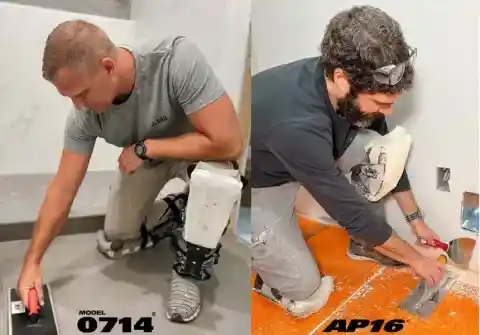
Concrete work is tough, no doubt about it. Whether you're a contractor, DIY enthusiast, tile installer, or warehouse worker, spending hours on hard surfaces can punish your knees. That's why choosing the best knee pads for concrete isn't just a comfort decision; it's a long-term health investment.
In this complete guide, we'll break down the top-rated options, explain what features really matter, and help you confidently choose the right knee pads for your needs.
Quick Comparison
| Brand | Best For | Cushion Type | Hard Cap | Adjustable Straps |
| NoCry | Heavy-duty construction | Gel + Foam | Yes | Dual straps |
| ToughBuilt | Professional contractors | GelFit™ | Yes | Thigh + calf support |
| ProKnee | Long-term daily use | Custom foam | No (soft face) | Custom-fit |
| Sellstrom | Budget-friendly | Foam | Yes | Elastic straps |
| KP Industries | All-day flooring work | Foam | No | Wide straps |
Why You Need the Best Knee Pads for Concrete Work
Kneeling on bare concrete for extended periods is one of the most common sources of chronic knee pain in construction and trades work. Concrete is unforgiving: it doesn't give the way soil or carpet does, so all the load from body weight concentrates directly on the patella and surrounding soft tissue. Over months and years, this repeated pressure is linked to bursitis (commonly called "housemaid's knee"), tendonitis, and accelerated cartilage wear — conditions that show up disproportionately in flooring installers, concrete finishers, and tile setters.
A properly fitted pair of knee pads spreads that load over a larger area and adds a cushioning layer between the kneecap and the surface, which reduces peak pressure significantly. The right pad also keeps your knee stable side-to-side, which matters when you're shifting weight while troweling, setting rebar, or laying tile — an unstable pad can twist underfoot and actually increase injury risk rather than prevent it.
What to Look For
- Cushion type — gel/foam hybrids conform better to the kneecap and distribute pressure more evenly than foam alone, though foam-only pads are lighter and cheaper for occasional use.
- Hard cap vs. soft face — a hard outer cap protects against sharp debris and punctures on rough concrete, but soft-face pads (like ProKnee's) are often preferred for all-day comfort since they don't dig in when kneeling at odd angles.
- Strap system — dual straps (above and below the knee) hold the pad in place far better than a single elastic band, especially during repetitive movement.
- Breathability — for all-day wear in hot conditions, a pad with ventilated backing prevents the sweat buildup that leads to skin irritation.



Be the first to comment.