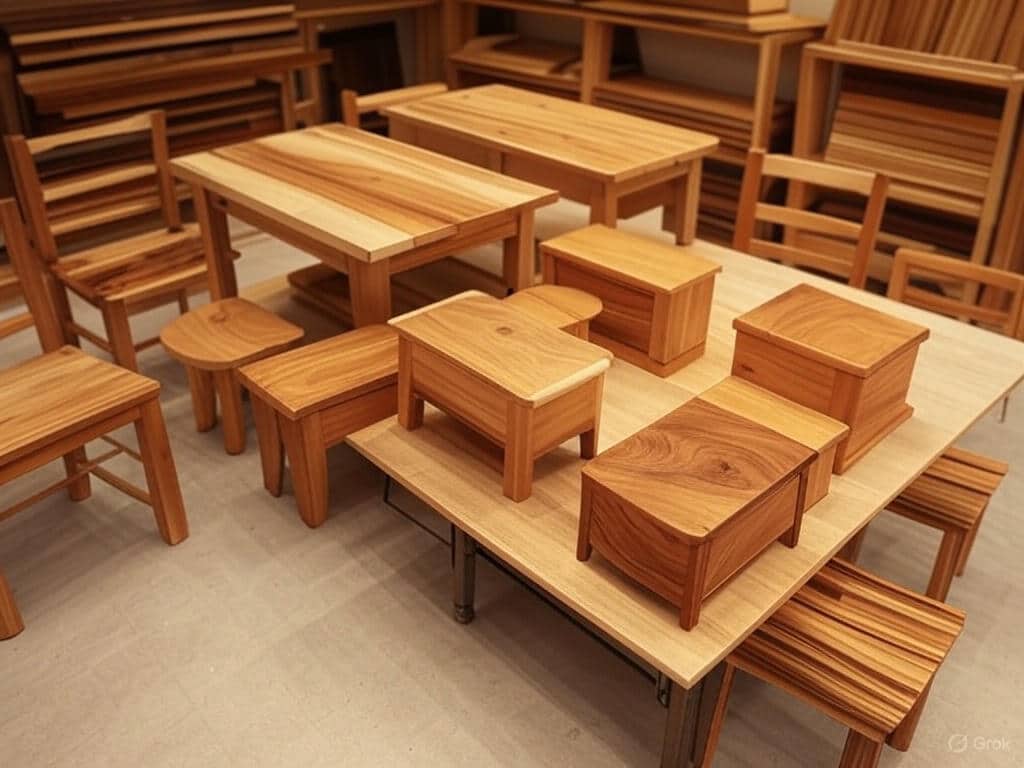
Hickory wood stands as one of the most robust and visually distinctive hardwoods available for woodworking projects today.
Known for its exceptional hardness, unique colour variations, and remarkable durability, hickory has evolved from a niche wood primarily used in rustic settings to a versatile material appearing in modern homes and diverse applications.
This comprehensive examination reveals that hickory offers both functionality and aesthetic appeal, with its natural colour contrasts and superior strength making it an excellent choice for projects requiring both beauty and longevity.
Table of Contents
What is Hickory Wood?
Hickory has established itself as one of the hardest, strongest domestic hardwoods in the United States.
Once primarily associated with rustic log cabins and outdoor furniture, hickory has gained popularity in recent years for its distinctive appearance and exceptional durability.
The wood features a remarkable combination of light and dark colours that create one-of-a-kind pieces with natural visual interest. While traditionally less common in furniture and cabinetry due to its challenging workability, hickory has experienced a resurgence as more woodworkers and designers appreciate its unique character and unmatched strength.
The Botanical Family of Hickory
In the United States, eight wood species are classified as hickory, divided into two main groups.
The first group consists of four pecan hickories
- shagbark
- pignut
- shellbark
- mockernut
The second group includes four true hickories
- butternut
- pecan
- water
- nutmeg hickory
Though the nuts these trees produce differ considerably in appearance and flavour, the wood from these eight species becomes remarkably similar once cut and dried, making visual distinction difficult.
Nevertheless, many cabinet makers prefer true hickories, believing they offer superior colour and character.
Physical Properties and Characteristics
Appearance and Color Profile
- Hickory’s visual appeal stems from its distinctive colour contrast. The heartwood displays light to medium brown colour with a reddish hue, while the sapwood exhibits a paler yellowish-brown tone.
- This natural contrast creates a dramatic, organic look that works beautifully in both stained and unfinished applications. When varying amounts of heartwood and sapwood appear on the same board, it creates what woodworkers call a “calico” effect, featuring both light and dark shades that give hickory its signature look.
Grain Pattern and Texture
The grain of hickory typically grows straight with occasional waves and presents a medium to coarse texture.
Some hickory pieces may contain “bird peck” – distinctive marks where birds have made small holes or indentations in the living tree, leading to the formation of dark mineral streaks in the wood.
Additionally, hickory commonly features knots, burls, and colour streaks that contribute to its rustic charm and character.
Strength and Density Measurements
Hickory ranks as the hardest commercial wood in the United States, with a Janka hardness rating of 1820, significantly exceeding both hard maple (1450) and white oak (1360).
It achieves remarkable density—approximately 50 pounds per cubic foot when dry—making it the densest commercially available U.S. wood.
A single board foot (6 inches by 24 inches by 3/4-inch) of hickory weighs more than three pounds when dry, demonstrating its exceptional solidity. These properties make hickory exceptionally resistant to shock, pressure, and manipulation without being brittle.
Working with Hickory Wood
Machining and Fabrication Challenges
Hickory’s exceptional hardness presents significant challenges during machining and fabrication. The wood quickly dulls cutting tools, requiring frequent sharpening and maintenance of equipment.
Sharp tools and fresh sandpaper are essential for achieving premium surfaces, as dull tools will result in chipped or torn grain. The wood’s density even allows it to blunt metal power tools used in its manipulation.
Moisture Sensitivity and Drying Requirements
Hickory exhibits sensitivity to changes in moisture content, with flatsawn lumber changing size approximately 1% for every 3% moisture content change (equivalent to a 20% relative humidity change).
This sensitivity makes it crucial to ensure the wood’s moisture content closely matches its final in-use environment. Additionally, hickory proves difficult to dry in the open air, as it tends to warp and crack during the drying process.
Woodworkers often recommend sealing the ends of hickory wood to prevent splitting caused by its naturally dry characteristics.
Finishing Properties
Despite its challenging workability, hickory accepts stains and adhesives readily due to its dryness.
When properly finished, it produces a lustrous shine that enhances its natural beauty. The stunning contrast between heartwood and sapwood creates distinctive patterns that look appealing whether stained or left natural.
Daily Uses of Hickory Wood
Furniture Applications
Hickory has long been associated with rustic furniture, particularly in log cabins and outdoor settings, though its application has expanded in recent years.
Its natural colour variations and durability make it excellent for statement pieces like beds, tables, chairs, and cabinets.
The wood’s rustic appearance creates one-of-a-kind furniture with character and warmth that can last for generations.
Flooring and Interior Applications
As a flooring material, hickory provides exceptional durability for high-traffic areas while offering distinctive visual appeal. Its hardness makes it resistant to dents and wear, ideal for active households.
In cabinetry, hickory brings character and uniqueness to kitchens and bathrooms, with its natural colour variations creating visual interest without additional decoration or inlays.
Utilitarian and Tool Applications
Hickory’s strength and shock resistance make it the preferred choice for tool handles, particularly for striking tools like hammers, axes, and picks.
The wood absorbs vibration while maintaining structural integrity, reducing user fatigue and extending tool life.
Additional utilitarian applications include wheel spokes, ladder rungs, and structural building components where strength is paramount.
When to Choose Hickory Wood
Project Durability Requirements
Choose hickory when your project demands exceptional durability and longevity. Hickory excels in applications subjected to heavy use, impacts, or stress, making it ideal for projects that need to withstand generations of use.
The wood’s natural resistance to shock and pressure means it will maintain its structural integrity even in challenging environments.
Aesthetic Considerations
Select hickory when you desire a distinctive, characterful appearance with natural colour variations and grain patterns.
The wood’s unmistakable “calico” effect creates visual interest that becomes a focal point in furniture and interiors. Consider hickory particularly when aiming for a rustic, natural, or outdoorsy aesthetic that showcases the organic beauty of wood.
Budget and Timing Factors
Opt for hickory when your project justifies a higher material investment for superior longevity.
Though more expensive than softwoods due to slow growth patterns and extensive drying requirements, hickory’s durability often provides better long-term value for permanent installations.
However, factor in additional time for working with this challenging material, as its hardness requires more effort during cutting, shaping, and finishing.
Where Hickory Wood Is Most Suitable
Interior Environmental Considerations
Hickory performs best in controlled interior environments where moisture levels remain relatively stable.
Due to its sensitivity to moisture content changes, hickory may not be ideal for spaces with extreme humidity fluctuations, such as unconditioned spaces or outdoor applications without proper treatment.
The wood excels in living areas, kitchens, dining rooms, and other interior spaces where its durability and aesthetic qualities can be showcased and preserved.
Architectural Style Compatibility
Hickory naturally complements rustic, country, craftsman, and lodge-style architecture. Its strong character and distinctive appearance create authentic connections to traditional American craftsmanship and design.
While primarily associated with rustic aesthetics, carefully selected and finished hickory can also work in transitional designs where natural elements bring warmth to more contemporary spaces.
Functional Space Requirements
Consider hickory for spaces requiring exceptional durability, such as entryways, kitchens, family rooms, and other high-traffic areas. Its resistance to dents, scratches, and wear makes it particularly valuable in active households with children, pets, or frequent entertaining.
Additionally, hickory’s structural strength makes it appropriate for weight-bearing applications like staircases, railings, and structural furniture pieces.
Why Choose Hickory for Your Projects
Durability Advantages
Hickory offers unparalleled durability among domestic hardwoods, with its exceptional hardness (Janka rating of 1820) providing resistance to dents, scratches, and wear. Its natural density and strength allow it to withstand heavy use without deformation or damage.
Additionally, hickory’s shock resistance makes it ideal for applications subject to impacts or vibration.
Distinctive Aesthetic Appeal
The natural contrast between hickory’s heartwood and sapwood creates visually striking patterns that cannot be replicated in other woods.
Its unique “calico” effect provides built-in visual interest without requiring complex finishing techniques or inlays. Furthermore, hickory’s character marks, including knots, burls, and mineral streaks, add depth and personality to projects.
Domestic Sustainability Factors
As a domestic hardwood, hickory offers relatively shorter transportation distances compared to imported exotic hardwoods with similar hardness qualities.
Though still a finite resource like most hardwoods, responsibly harvested hickory supports local forestry industries and reduces carbon footprints associated with long-distance shipping.
Additionally, hickory’s exceptional durability means furniture and fixtures may last generations, reducing replacement frequency and associated resource consumption.
Best Applications for Hickory Wood
Premium Furniture Projects
Hickory excels in furniture applications requiring both character and durability, such as dining tables, chairs, benches, and bed frames.
Its natural strength makes it particularly suitable for larger pieces that must support significant weight or withstand daily use. The wood’s distinctive appearance creates statement pieces that become focal points in living spaces.
Specialized Functional Applications
Beyond conventional furniture, hickory performs exceptionally well in specialized applications like tool handles, sporting equipment, and industrial components where strength is critical.
Its shock absorption and resistance to splitting under pressure make it invaluable for implements subjected to repeated impacts. Additionally, hickory’s ability to bend under steam without breaking suits it for applications requiring curved components.
Culinary and Specialty Uses
Hickory serves unique purposes beyond construction and furniture, including culinary applications where its smoke imparts distinctive flavours to meats during smoking and curing processes.
As a fuel source, hickory burns hot and clean, making it valuable for heating and cooking. These diverse applications highlight Hickory’s versatility beyond traditional woodworking contexts.
Unique Features of Hickory Wood
Comparative Hardness Advantages
- Hickory stands as the hardest commercially available domestic hardwood, with its Janka hardness rating of 1820 surpassing other popular hardwoods like hard maple (1450) and white oak (1360).
- This exceptional hardness translates to superior wear resistance and longevity in applications subject to abrasion or impact. No other domestic wood matches hickory’s unique combination of hardness, strength, and shock resistance.
Visual Character Elements
- The “calico” effect created by the contrast between hickory’s heartwood and sapwood creates a distinctive appearance that immediately identifies the wood.
- Character marks like bird pecks, mineral streaks, burls, and knots add unique visual interest to each piece of hickory. These natural variations ensure that every hickory project becomes one-of-a-kind, with patterns impossible to precisely duplicate.
Historical and Cultural Significance
- Hickory has deep roots in American craftsmanship and culture, historically used for tool handles, wagon wheels, and rustic furniture in early American settlements.
- Its association with durability and reliability has made it emblematic of traditional craftsmanship and quality.
- The wood’s continued use in contemporary applications connects modern projects to this rich heritage of American woodworking.
Conclusion: Making Hickory Work for Your Projects
Hickory wood offers an exceptional combination of strength, character, and natural beauty that few other woods can match. Though challenging to work with due to its hardness, the results reward the extra effort with distinctive furniture and projects that stand the test of time.
Whether creating rustic statement pieces, durable functional items, or adding character to interior spaces, hickory provides a material connection to traditional craftsmanship while meeting contemporary needs for durability and distinctive aesthetics.
By understanding the different types of hickory wood and their characteristics, woodworkers and project planners can make informed choices that leverage this remarkable material’s unique properties to create lasting, beautiful work.