Best way to Maintain Hickory Wood Furniture for Longevity

0
451

Hickory wood furniture, known for its exceptional strength, durability, and distinctive grain patterns, can last for generations when properly maintained.

Understanding the right care techniques can enhance your hickory pieces’ lifespan and beauty.

The following comprehensive guide provides practical tips and maintenance strategies that will help preserve your hickory furniture’s natural elegance and structural integrity.

Understanding Hickory Wood Properties

Hickory is one of the most robust wood types available for furniture, making it an excellent investment for long-term use. It stands as the densest commercial wood in the United States, weighing approximately 50 pounds per cubic foot when dry—significantly heavier than most other hickory wood furniture.

The remarkable strength and hardness of hickory contribute to its longevity, but these same qualities also necessitate specific care approaches to maintain its appearance and structural integrity over time.

The natural characteristics of hickory wood include distinctive, irregular grain patterns that range from wavy to swirled, creating unique visual interest in each piece.

Hickory wood furniture typically displays warm tones varying from light to medium brown, often featuring darker streaks that add depth and character. 

These natural variations make each hickory piece one-of-a-kind, worthy of preservative care to maintain its distinctive beauty.

Hickory’s natural resistance to moisture and insect infestation gives it an advantage over other wood types for furniture applications. 

However, despite this innate resistance, proper maintenance remains essential to preserve its condition and prevent potential damage that could compromise its structural integrity or appearance over time.

Characteristics of Hickory Wood

  • Density: Heaviest commercial wood in the United States at 50 pounds per cubic foot
  • Durability: Exceptional strength and hardness compared to other furniture woods
  • Appearance: Distinctive grain patterns with warm tones from light to medium brown
  • Resistance: Naturally resistant to moisture and insect damage

Regular Cleaning and Dusting Practices

Maintaining the cleanliness of your hickory wood furniture represents the foundation of proper care. Dust particles, though seemingly harmless, can actually scratch the wood surface when they accumulate and are moved across the furniture.

These microscopic abrasions gradually diminish the wood’s natural lustre and damage the protective finish over time.

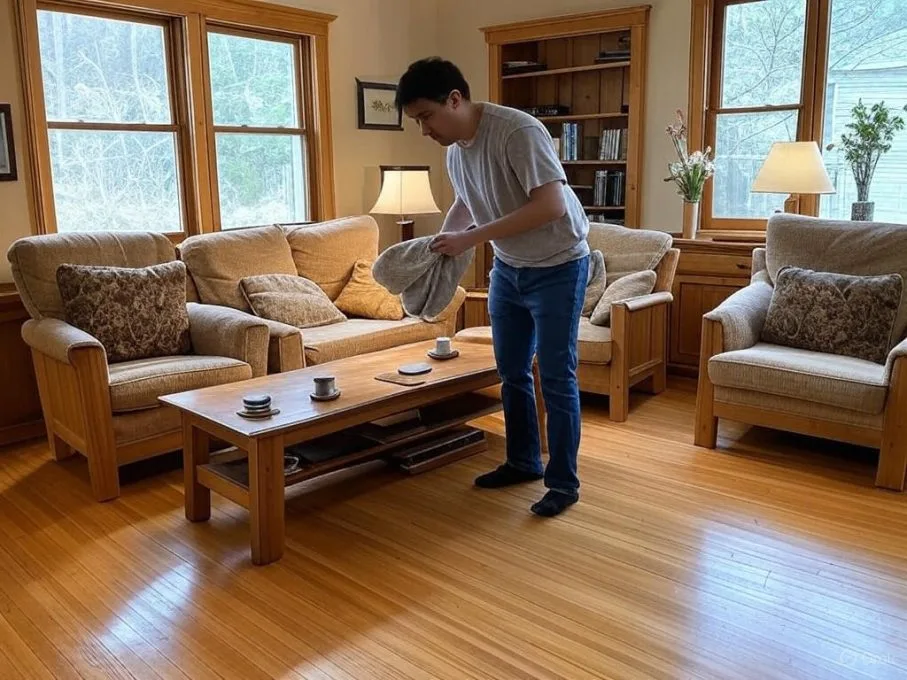
Regular dusting should form the cornerstone of your hickory furniture maintenance routine. Using a soft, lint-free cloth proves most effective for this purpose, as rougher materials might create fine scratches on the wood surface.

For optimal results, dust your hickory wood furniture at least once weekly, increasing the frequency in dustier environments or during seasons when windows remain open longer.

Effective Cleaning Methods

  • Regular dusting: Wipe down with a soft, lint-free cloth to remove accumulated dust and dirt
  • Damp cleaning: Occasionally clean with a slightly damp cloth and mild detergent, then dry thoroughly
  • Avoid harsh chemicals: Use only gentle, wood-appropriate cleaners to prevent damage to the finish
  • Direction of wiping: Clean along the grain of the wood rather than across it to prevent scratches

Managing Moisture and Humidity

Hickory wood, while more moisture-resistant than many wood types, still responds to environmental humidity changes.

This sensitivity means that the wood can expand and contract with fluctuations in moisture content, potentially leading to structural issues if not properly managed. 

Understanding and controlling the moisture exposure of your hickory furniture plays a critical role in preserving its integrity and preventing warping, splitting, or joint loosening over time.

The ideal indoor humidity for hickory wood furniture maintenance ranges between 35-45%. When humidity levels fall significantly below or rise above this range for extended periods, the wood may react by expanding or contracting excessively.

During winter heating seasons, when indoor air becomes particularly dry, consider using a humidifier to maintain appropriate moisture levels. Conversely, dehumidifiers can help control excessive moisture during humid summer months.

Direct contact with liquids poses an immediate threat to hickory furniture. Although hickory possesses natural moisture resistance, prolonged exposure to spills can penetrate the protective finish and reach the wood itself.

When accidents occur, immediately blot (never wipe) any liquid with a soft cloth to prevent spreading, then thoroughly dry the area with a clean, dry cloth.

Moisture Control Strategies

  • Maintain consistent humidity: Keep indoor humidity between 35-45% for optimal wood stability
  • Respond quickly to spills: Immediately blot and dry any liquid spills to prevent penetration
  • Use coasters and mats: Place protective barriers under glasses, hot items, or anything that could transfer moisture
  • Position away from sources: Keep furniture away from radiators, vents, fireplaces, and direct sunlight

Protecting the Surface Finish

The finish applied to hickory wood furniture serves as its primary defence against environmental damage while enhancing its natural beauty. Different types of finishes—ranging from polyurethane to lacquer, varnish, or oil—each require specific maintenance approaches.

Understanding your furniture’s particular finish type helps determine the most appropriate care methods for long-term protection.

Most modern hickory furniture features a protective clear coat that shields the wood from moisture and stains. This finish requires periodic assessment to ensure its integrity remains intact.

Inspect your furniture regularly for signs of finish deterioration, such as dullness, cloudiness, or areas where the finish appears thinner than surrounding sections. These indicators suggest the protective barrier may be compromised and require attention.

For minor finish wear, specialized furniture polish or wax designed specifically for your finish type can help restore protection and lustre.

Apply these products sparingly according to manufacturer instructions, typically every 3-6 months depending on usage. For more significant-finish damage, professional refinishing may become necessary to restore full protection.

Finish Protection Tips

  • Apply appropriate protectants: Use suitable furniture polish or wax specifically formulated for your finish type
  • Regular inspection: Check for signs of finish wear or damage during cleaning sessions
  • Avoid silicone-based products: These can build up over time and interfere with future refinishing
  • Professional refinishing: Consider professional services for significant-finish damage or ageing

Preventing Physical Damage

The exceptional hardness of hickory wood contributes to its durability but doesn’t render it impervious to physical damage.

Implementing preventative measures against common sources of furniture damage ensures your hickory pieces maintain their structural integrity and appearance over decades of use.

Impact damage represents one of the most common threats to hickory wood furniture. Despite the wood’s natural hardness, heavy objects dropped onto surfaces can cause dents or chips in the wood or finish.

Place protective felt pads on the bottom of items regularly moved across surfaces, such as decorative objects or kitchen appliances, to prevent scratches during repositioning.

Heat damage poses another significant risk to hickory furniture. Direct exposure to hot items can cause the finish to bubble, cloud, or discolour, potentially requiring professional restoration.

Always use trivets or hot pads under warm serving dishes, cookware, or appliances to maintain the furniture’s pristine condition.

Damage Prevention Strategies

  • Use protective pads: Place felt pads under decorative items to prevent surface scratches
  • Employ heat protection: Always use trivets or hot pads under warm items
  • Lift, don’t drag: Always lift furniture when moving it to prevent floor scratches and structural stress
  • Avoid direct sunlight: Position furniture away from direct sun exposure to prevent UV damage and colour fading

Seasonal Maintenance Schedule

Implementing a seasonal maintenance routine helps ensure your hickory wood furniture receives comprehensive care throughout the year. Each season presents unique challenges for wood furniture, from winter’s dry heating conditions to summer’s increased humidity.

Addressing these seasonal variations proactively protects your hickory pieces from preventable damage.

During spring, conduct a thorough cleaning to remove winter’s accumulated dust and assess any damage that may have occurred during the heating season. Check joints for looseness resulting from winter’s dry conditions and tighten as necessary.

Spring cleaning represents an ideal time to apply furniture polish or wax after the harsh winter months.

Summer brings increased humidity levels that can affect hickory furniture. During this season, monitor for any signs of excessive wood expansion, particularly in drawers that may become tighter or doors that fit differently than usual.

Maintain consistent indoor humidity levels using air conditioning or dehumidifiers when necessary to protect your furniture from moisture-related issues.

Seasonal Care Checklist

  • Spring: Thorough cleaning, joint inspection, and polish application
  • Summer: Humidity monitoring and control, protection from direct sunlight
  • Fall: Pre-winter preparation, moisture barrier renewal, and hardware tightening
  • Winter: Regular dusting, humidifier use during heating season, furniture repositioning away from heat sources

Conclusion

Proper maintenance of hickory wood furniture represents an investment in both the longevity and beauty of these durable pieces.

The exceptional strength and distinctive character of hickory make it worth the effort required for proper care.

By implementing regular cleaning routines, controlling environmental factors, protecting surfaces, preventing physical damage, and following seasonal maintenance schedules, you can preserve your hickory furniture for generations.

The natural resilience of hickory wood, when combined with appropriate care, creates furniture that truly stands the test of time.

With its remarkable density, beautiful grain patterns, and exceptional durability, properly maintained hickory furniture can become family heirlooms passed down through generations.

The time invested in maintaining these pieces yields dividends in both their continued functionality and the preservation of their natural beauty for decades to come.

LEAVE A REPLY

Please enter your comment!
Please enter your name here