Geotechnical engineering consulting fees usually land between $500 and $3,000 for a single house, $5,000 to $25,000 for a mid-sized commercial or multi-unit building, and anywhere from $25,000 into six figures for large or geotechnically difficult sites. Almost all of that spread comes down to three things: how many boreholes the site needs, how deep they go, and how much laboratory testing the soil demands. Fees are quoted three common ways — a fixed lump sum, an hourly rate (roughly $120 to $300+ per hour), or a per-borehole unit rate.
That is the short answer. If you are budgeting a real project, the figure that matters is the one tied to your ground conditions and your structure, and that can shift the number by an order of magnitude. Here is how the pricing works, what moves it, and how to tell a fair quote from a thin one.
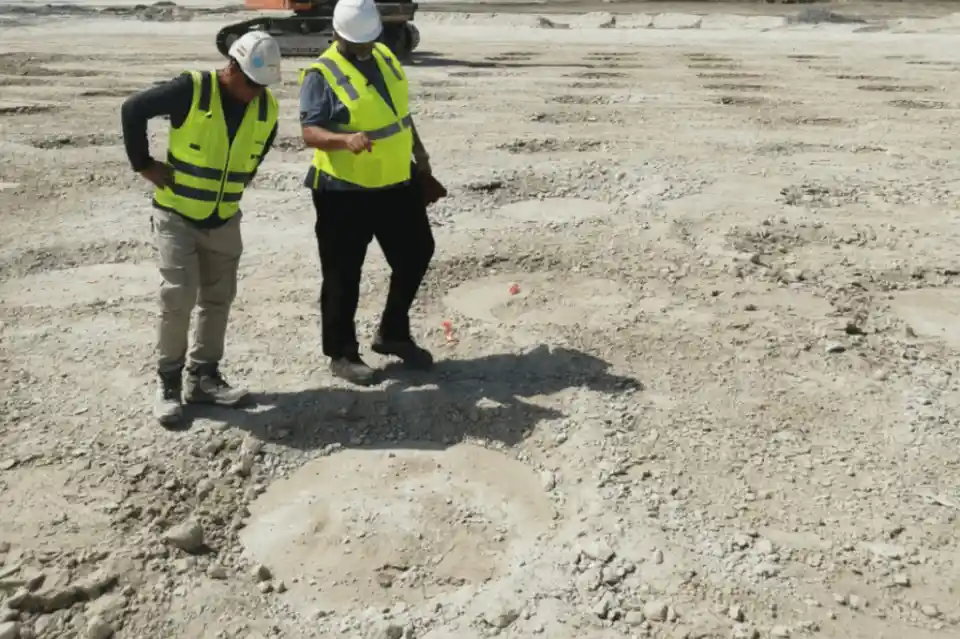
What You Are Actually Paying For
A geotechnical consultant investigates the soil, rock, and groundwater under a site, then turns that into design recommendations your structural engineer can build on. The fee buys risk reduction more than paperwork. It is far cheaper to characterise the ground before you pour concrete than to underpin a footing afterwards.
A typical scope covers drilling and sampling, laboratory testing, soil classification, bearing capacity and settlement analysis, and foundation recommendations. Depending on the project it may also include slope stability, retaining wall design parameters, liquefaction assessment in seismic zones, and groundwater or dewatering advice. Fieldwork often relies on the Standard Penetration Test (SPT) and cone penetration testing to log conditions at depth.
The deliverable is a geotechnical report. If you want to see how those recommendations flow into structural work, our complete foundation design guide walks through the formulas and code references that sit downstream of the soil data.
How Geotechnical Consulting Fees Are Structured
Firms rarely charge one flat number. Fees are built from a mix of pricing methods, and knowing them makes quotes easy to compare.
Lump-Sum (Fixed Fee)
The most common arrangement for a well-defined project. The consultant quotes one price for an agreed scope: a set number of boreholes, defined lab testing, and a report. You get cost certainty, which is ideal when the site and requirements are clear.
Hourly Rates
Used for advisory work, peer review, expert-witness services, or open-ended investigations. Rates run from about $120 to $300+ per hour, with principal engineers at the top and technicians lower down.
Unit Rate (Per Borehole or Per Test)
Fieldwork priced per metre drilled or per borehole, with lab tests charged individually. It is transparent and scales naturally if the investigation grows once drilling starts.
| Pricing Model | Best For | Typical Range | What to Watch | ||
|---|---|---|---|---|---|
| Lump sum (fixed) | Well-defined residential and standard commercial | Quoted per project | Confirm exactly how many boreholes and tests are included | ||
| Hourly | Advisory work | peer review | expert witness | $120–$300+ per hour | Ask for an estimated cap so it doesn't run open-ended |
| Unit rate (per borehole/test) | Investigations that may scale up on site | Per metre + per test | Get the per-metre and per-test rates in writing |
Typical Fees by Project Type
Every quote is site-specific, but the figures below give a realistic sense of what to expect. Treat them as indicative ranges and always get a written scope.
| Project Type | Typical Investigation | Indicative Fee (USD) | ||
|---|---|---|---|---|
| Single residential dwelling | 1–3 boreholes; basic classification | $500 – $3 | 000 | |
| Multi-unit / medium commercial | Several deeper boreholes; added lab testing | $5 | 000 – $25 | 000 |
| High-rise / bridge / industrial | Deep boreholes; specialist analysis | $25 | 000 – $150 | 000+ |
The jump from residential to commercial is rarely about the report itself. It is the extra drilling depth, the number of test locations, and the analysis that heavier loads and higher consequences demand.
What Drives the Cost Up or Down
A handful of variables decide where you land inside those ranges. Knowing them helps you read a quote, and sometimes trim it.
| Cost Driver | Pushes Fee Down | Pushes Fee Up | |||
|---|---|---|---|---|---|
| Ground conditions | Uniform competent soil or rock | Soft clay | fill | high water table | contamination |
| Investigation depth | Shallow footings | Deep piles needing 20 m+ boreholes | |||
| Site access | Open | easy rig access | Remote | restricted | or confined urban space |
| Lab testing | Basic classification only | Triaxial | consolidation | chemical analysis | |
| Project risk | Low loads | low consequence | High loads | seismic or bushfire code demands |
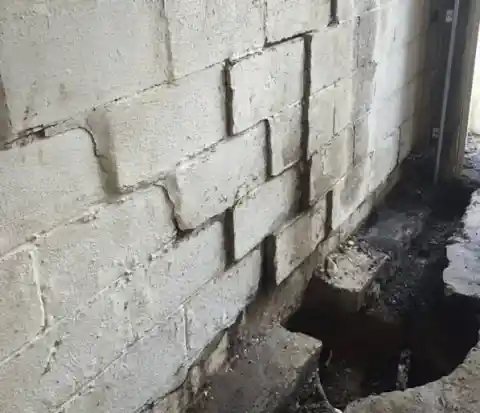
Ground conditions do most of the work here. Reactive and moisture-sensitive soils are also what drive a lot of long-term structural damage, as our article on why masonry cracks shows. A thorough investigation is what keeps that risk off your project.
A Rough Way to Sanity-Check a Quote
You will not price the job yourself, but you can check whether a fieldwork quote is in the right ballpark.
How to Get and Compare Quotes
- 1Write a clear briefState the building type, approximate loads, footprint, number of storeys, and anything you know about the site history. A precise brief stops consultants padding the quote to cover unknowns.
- 2Request like-for-like proposalsAsk two or three firms to quote the same scope: number and depth of boreholes, specific lab tests, and the report deliverable.
- 3Check what the deliverable includesA report with clear, code-referenced foundation recommendations is worth far more than raw borelogs and lab sheets alone.
- 4Confirm timing and mobilisationAsk about lead time for fieldwork and whether mobilisation is a separate line item, especially for regional sites.
- 5Engage earlyBring the consultant in before the layout is fixed so their findings shape the design instead of forcing costly changes later.
Watch: Inside a Geotechnical Site Investigation
If you have never watched a soil investigation happen, this gives a quick feel for what your fee actually covers on site, from rig setup to sampling.
The Bottom Line
Geotechnical consulting fees run from a few hundred dollars for a simple residential report to well into six figures for major infrastructure, driven mainly by site complexity, borehole depth and count, and the testing program. The fee is best read as an investment against one of the biggest risks in any project: the ground itself. Scope it well, get it early, and compare quotes on a like-for-like basis, and it almost always pays for itself.
You can also connect with me on LinkedIn.
Be the first to comment.